About

Hi, I'm Muyiwa.Friends call me MAK.

I'm the Founder and CEO of OneNet Servers, a hosting and AI company I started as a student in Nigeria in 2015. I live in Manchester and work with businesses in the UK and Nigeria.

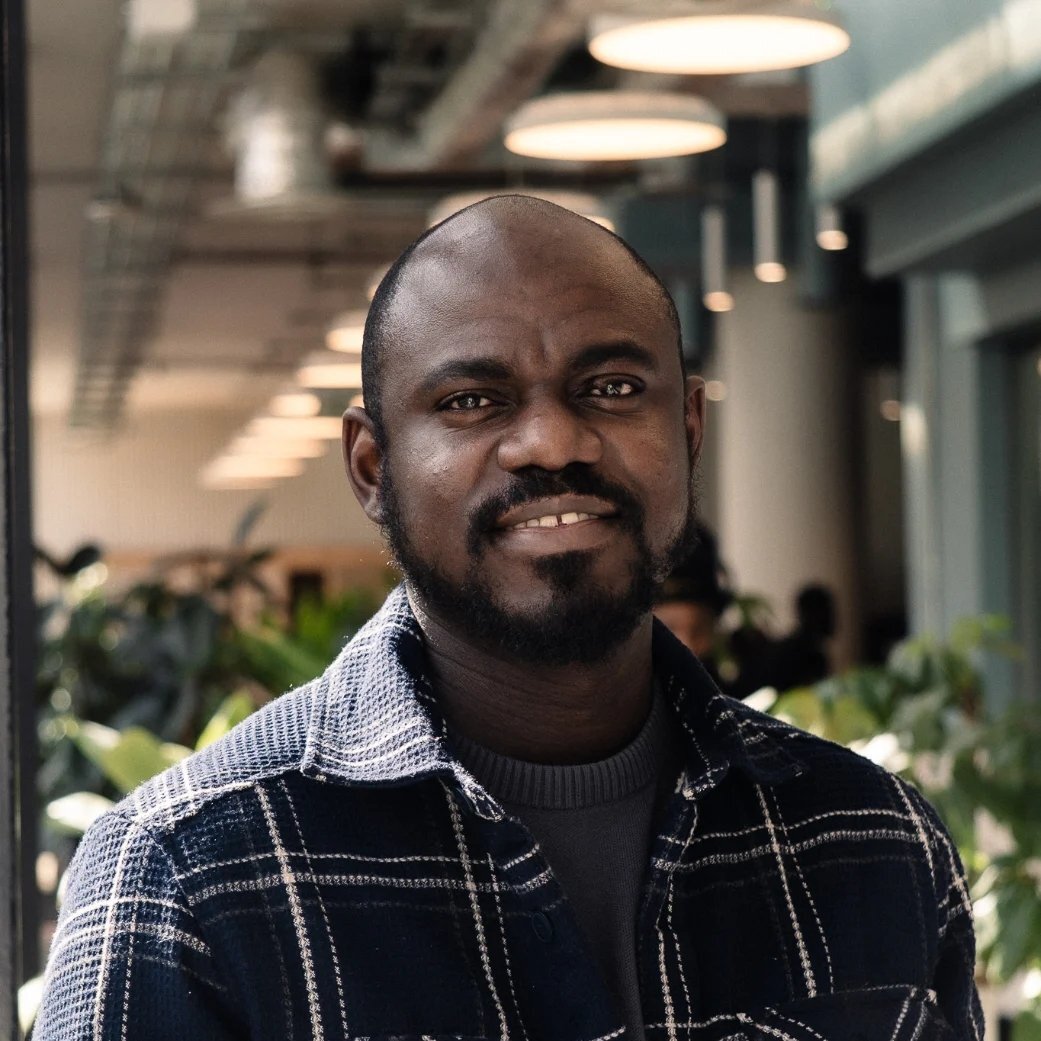
Portrait of Muyiwa Akinola
EndorsedGlobal Talent, 2022

The story

The long version

Eight chapters, from a cybercafé queue in Lagos to an AI company run from Manchester.

01Chapter 01 · 2007

The cybercafé

My first way onto the internet was a community cybercafé in Lagos. You bought a ticket for a time slot and queued. It was slow and it cost money I didn't have, so I worked out how to give myself extra time in the ticketing software.

I was caught. The owner's response was to give me a job making sure nobody else could do it.

That was my first paid work in technology, and it is still how I look at a system.
Age 17when I found the gap in the ticketing software

02Chapter 02 · 2011

Phones before code

My father ran a woodwork business in Lagos. At weekends he took my brother and me to his clients' sites, and I helped with the work. By the time I started university in 2010, the business had closed and he had lost his job.

In 2011 I started selling used BlackBerry phones so I wouldn't have to drop out. I bought them cheaply in Ikeja and resold them on campus.

1 yearof selling phones on campus
2 sessionsof university paid for

03Chapter 03 · 2012

Learning to build

I found a mentor who taught me HTML and CSS. After six months I built an online shop for the phone business.

Then I started charging other people for websites, ran a wedding blog and organised training for students.

6 monthsfrom first lesson to an online shop

04Chapter 04 · 2014 to 2017

OneNet Servers, slowly

In 2014 I needed hosting for a project. Everything I found was either too expensive for a student or too hard to set up. I started OneNet Servers in 2015 with ₦2,500 to fix that for people like me.

Growth was slow. After two years I had 58 customers. In late 2017 I registered the company, rebranded it and wrote a five-year plan.

58customers after two years

05Chapter 05 · 2018 to 2019

An office, and a failure

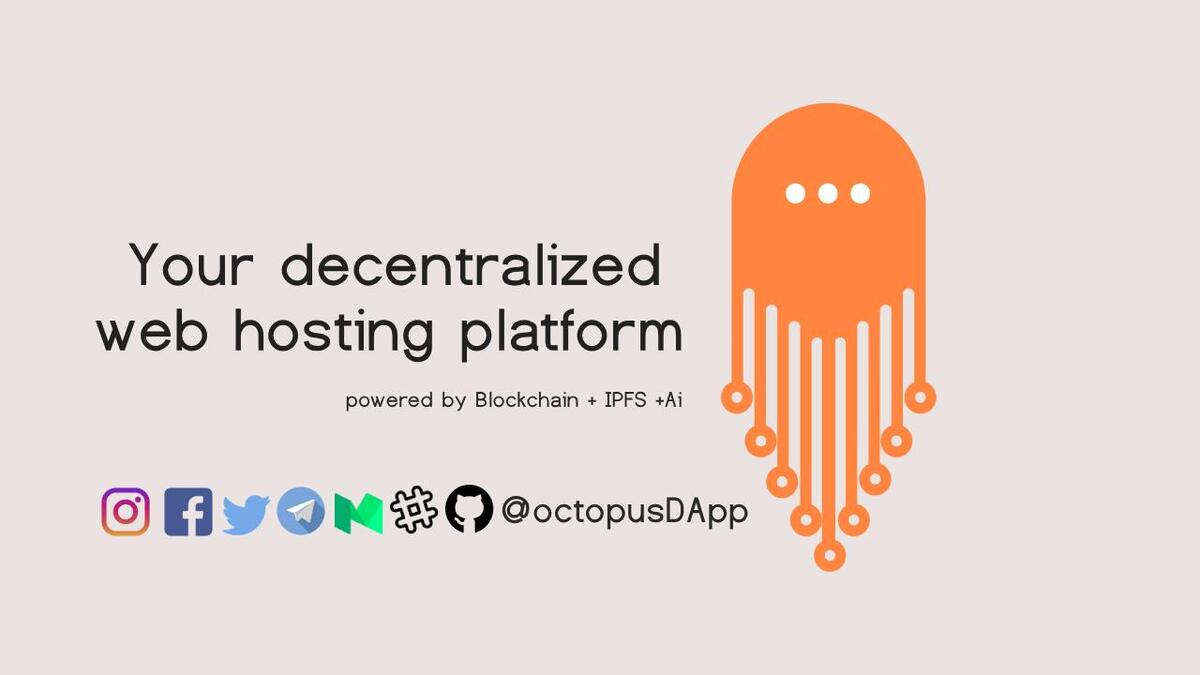
In 2018 we got our first office and a small team in support and operations. That year I also tried something bigger: Octopus dApp, a decentralised hosting platform built on Ethereum and IPFS. I wrote the white paper, created a token and opened a sale to raise $1.2 million.

It did not raise enough. I shelved it in 2019 and put the effort back into OneNet Servers, which by then offered cloud servers, email hosting, a website builder and DDoS protection.

The Octopus dApp launch graphic: your decentralized web hosting platform
2019shelved, back to OneNet Servers

06Chapter 06 · 2020

Forty-eight hours

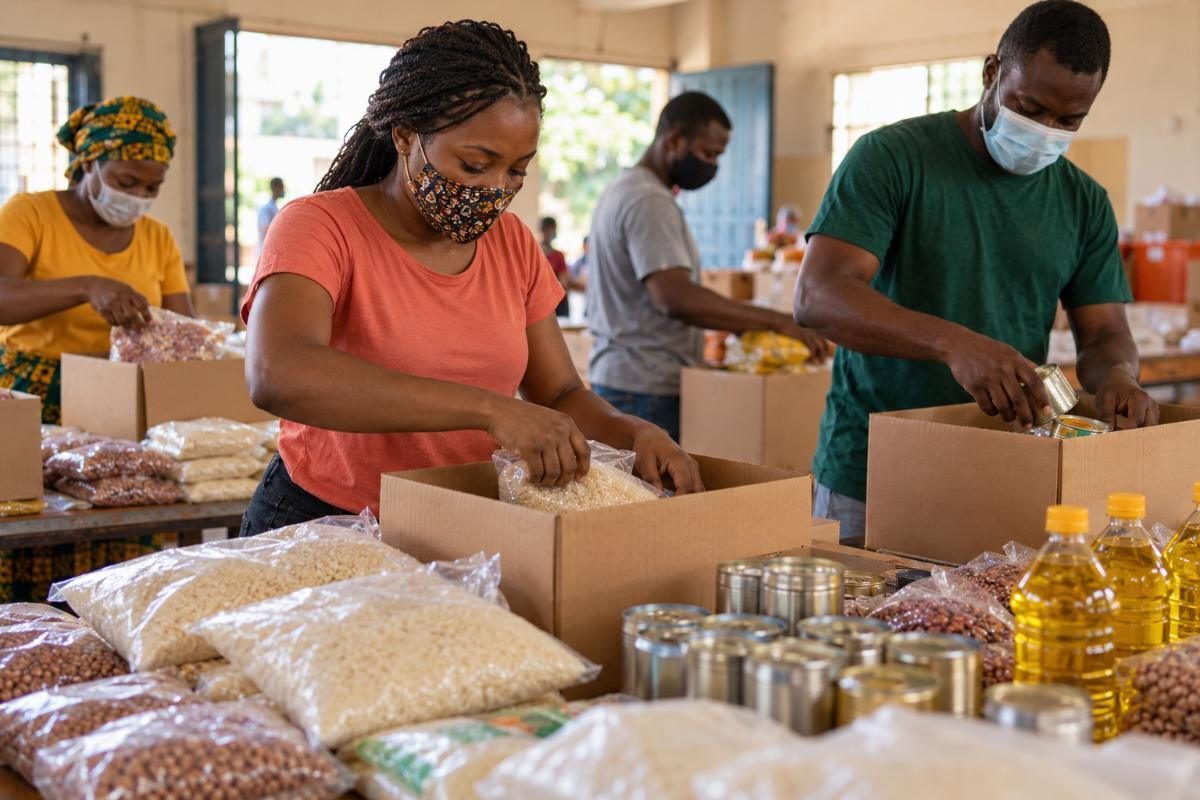
When Lagos locked down during the pandemic, a community I belong to started Project Ark to feed families who had lost their income. I volunteered to lead the technology. I had 48 hours to build a site that could take donations and show donors where the money went.

The same year I started Start2Dev, a monthly meetup that put founders and developers in a room with people further ahead. Over two years it ran more than 15 events with 20 speakers.

Volunteers in Lagos packing food relief boxes
48 hrsto build the donation site
₦45mcollected by October 2020
7,500families fed
20,000+meals given out

07Chapter 07 · 2021 to 2022

Six hundred customers and a visa

By the end of 2021 OneNet Servers hosted more than 600 businesses, including microfinance banks, fintechs, real estate firms and edtech companies. I also co-founded Mola Africa, a peer-to-peer crypto exchange and payment gateway.

In 2022 I was endorsed for the UK Global Talent visa in Digital Technology.

Microfinance banksFintechsReal estate firmsEdtech companies
600+businesses hosted by the end of 2021
2022endorsed for UK Global Talent

08Chapter 08 · 2023 to now

Manchester, and AI

I moved to Manchester in 2023 and brought OneNet Servers with me. I worked with AddPeople for a while.

In 2025 we released Veeb.site, an AI website builder, and joined the ITANA Digital Residency Launchpad. In 2026 we rebuilt OneNet Servers as an AI-first platform offering GPU servers, AI automation and an AI website builder to customers in the UK and Nigeria.

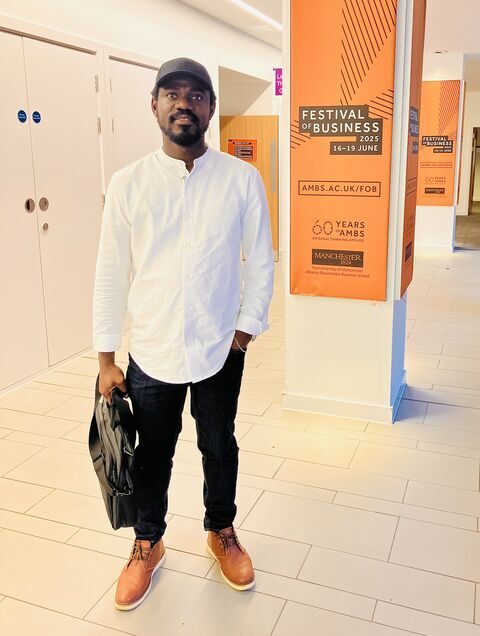
Muyiwa Akinola at the Festival of Business 2025 in Manchester
2025Veeb.site released
2026rebuilt as AI-first

How I work

How I think, and what that means when we work together

01

I look for the way in before someone else does.

At 17 I found a way to give myself extra time on a cybercafé's ticketing software. I was caught, and the owner gave me my first job: stop anyone else doing it. In 2026 a user started typing commands at OneNet Servers' support agent to see what it would do. I treated the chat window as an entry point and put a rule engine in front of the model. Most companies test their login page and their API. Very few test the chat box.
02

I design around the constraint.

In October 2020 Nigeria's central bank made dollars hard to get for retail payments, and OneNet Servers pays its suppliers abroad. I set up arrangements with vendors and equipment makers so we could keep paying, then planned for the next policy change before it came. A year later, card payments for crypto were banned, so I designed Mola around local payment agents. Running a tech company in Nigeria taught me to treat a restriction as a design input.

03

I write it down before I build it.

OneNet Servers got a five-year plan in 2017. Octopus dApp got a white paper. Mola started with a concept note, user personas and a requirements document that the team built from. I do the same with AI. Before any prompt is written, I write the policy: what the agent may do, what needs identity checks, what waits for a person, and where it stops.

04

I ask, then I test.

In 2026 I asked a panel how to price for customers in Nigeria and the UK without losing them at renewal. The answer was to ask the customers. We did, built a Starter Plan from what they said, and ran it in a controlled renewal campaign before rolling it out. For bigger decisions I score the options against weighted criteria on paper, so I can see why I'm leaning one way.

05

I measure what is running.

I tracked OneNet Servers' growth on boards I built myself, and I knew that 40% of our traffic came from help articles I had written. Our AI support runs the same way. A dashboard shows conversations, handoffs, blocked requests, model failures and customers left waiting. Automation nobody can see turns into operational debt nobody knows about.

06

I stop when the evidence says stop.

Octopus dApp needed $1.2 million to start properly. The sale raised less. I shelved it in 2019 instead of starting underfunded, and put the time back into the company that was working. I will tell a client the same thing about their project.

07

I make myself replaceable.

I wrote a succession plan so OneNet Servers' technical setup did not live only in my head. I trained more than seven interns, hired one, and taught 700 people web design for free. If I build something for you, your team will be able to run it without me.

Where I stand on AI

I am pro-AI. It is already reshaping the world, and most of all how people will work.

I also believe the outcome depends on whose hands it is in. In good hands AI is good. In bad hands it is doom. The two go back and forth like a rally in table tennis. The more good there is in play, the more AI becomes the thing that makes our society better and promises a generation who will do better than we are doing.

Four things sit at the core of my work in AI.

Security

AI systems take instructions in plain language, so anyone who can type to one can try to misuse it. Securing AI means protecting the model, the data it can reach and the actions it can take.

Privacy

AI is only as useful as the data it sees, and much of that data is personal. People should know what is collected, agree to it, and trust that it goes no further.

Decentralising AI

A few large companies run most of the capable models. Organisations and countries should be able to run their own, on their own infrastructure, with their own data.

Making it accessible

Cost and technical skill still keep small businesses and emerging markets out. AI should be priced and designed so a non-technical owner can use it.

Recognition

Recognition and programmes

2022UK Global TalentEndorsed in Digital Technology
2025ITANA Digital Residency LaunchpadOneNet Servers accepted, first cohort
2024Google for StartupsProgramme alumni
2025Raenest PerksOneNet Servers is a named partner, offering 50% off to Raenest customers since October 2025
2019Women Techsters demo dayJudge for a cohort of 23 women developers

Giving back

Outside client work

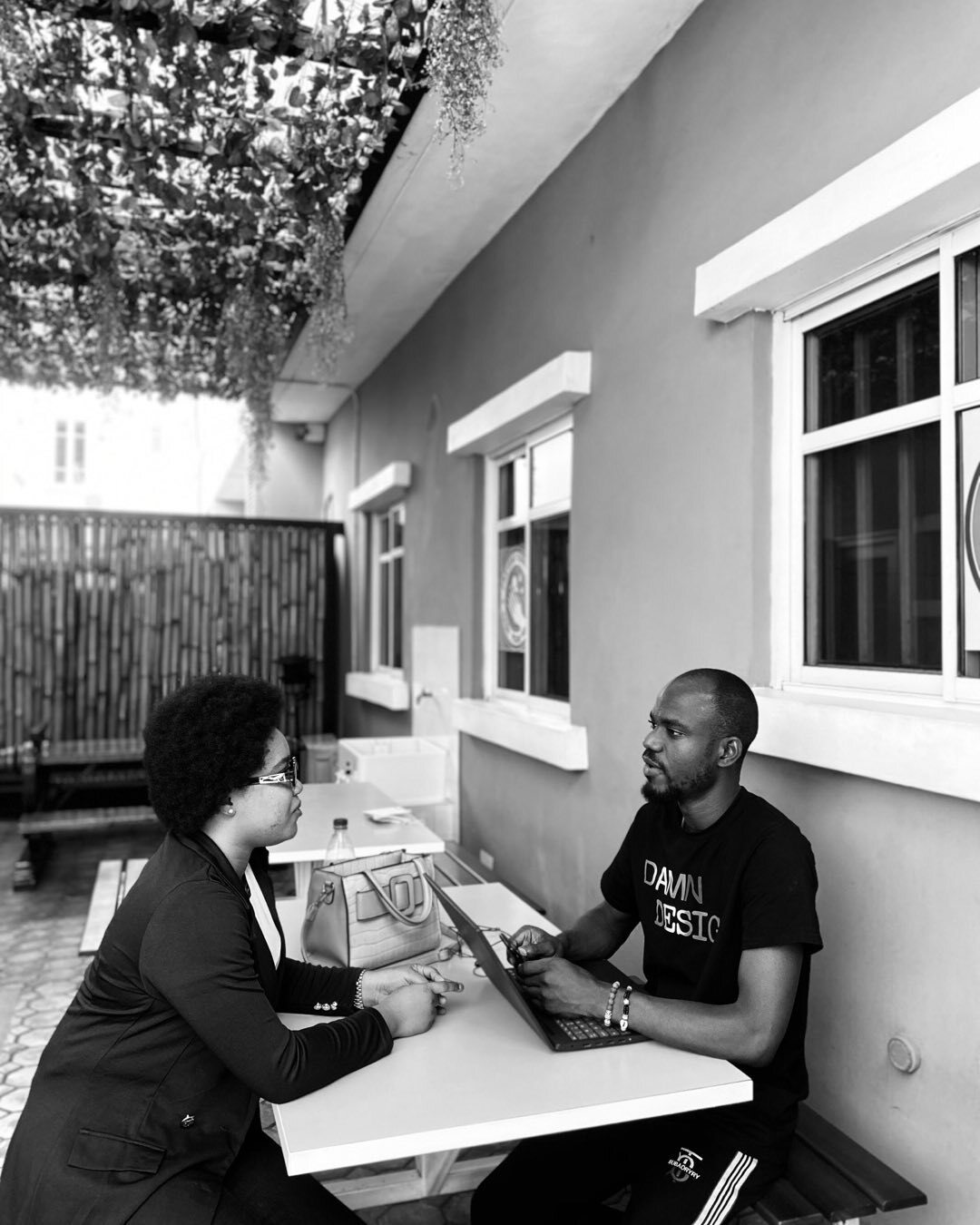
Muyiwa Akinola at a table, going through work on a laptop with someone
7+interns trained
700people taught web design

Between 2019 and 2021 I took interns from Tech4Dev's Women Techsters programme into OneNet Servers every year, and hired one of them. I ran a free web design community of 700 members on Facebook. I still mentor people preparing Global Talent applications.

See Global Talent mentorship

If any of this is useful to you

Tell me what you're working on. I reply within one working day.